People · Maple Ridge, British Columbia
Published
Traces of Home returns Japanese Canadian family histories to Maple Ridge’s streets
Traces of Home maps Japanese Canadian households in Maple Ridge before the forced dispersal of 1942. Family profiles, property records and surviving objects restore personal histories to familiar streets, while acknowledging gaps in the archive.
Facts checked
In this story
The address is only the beginning
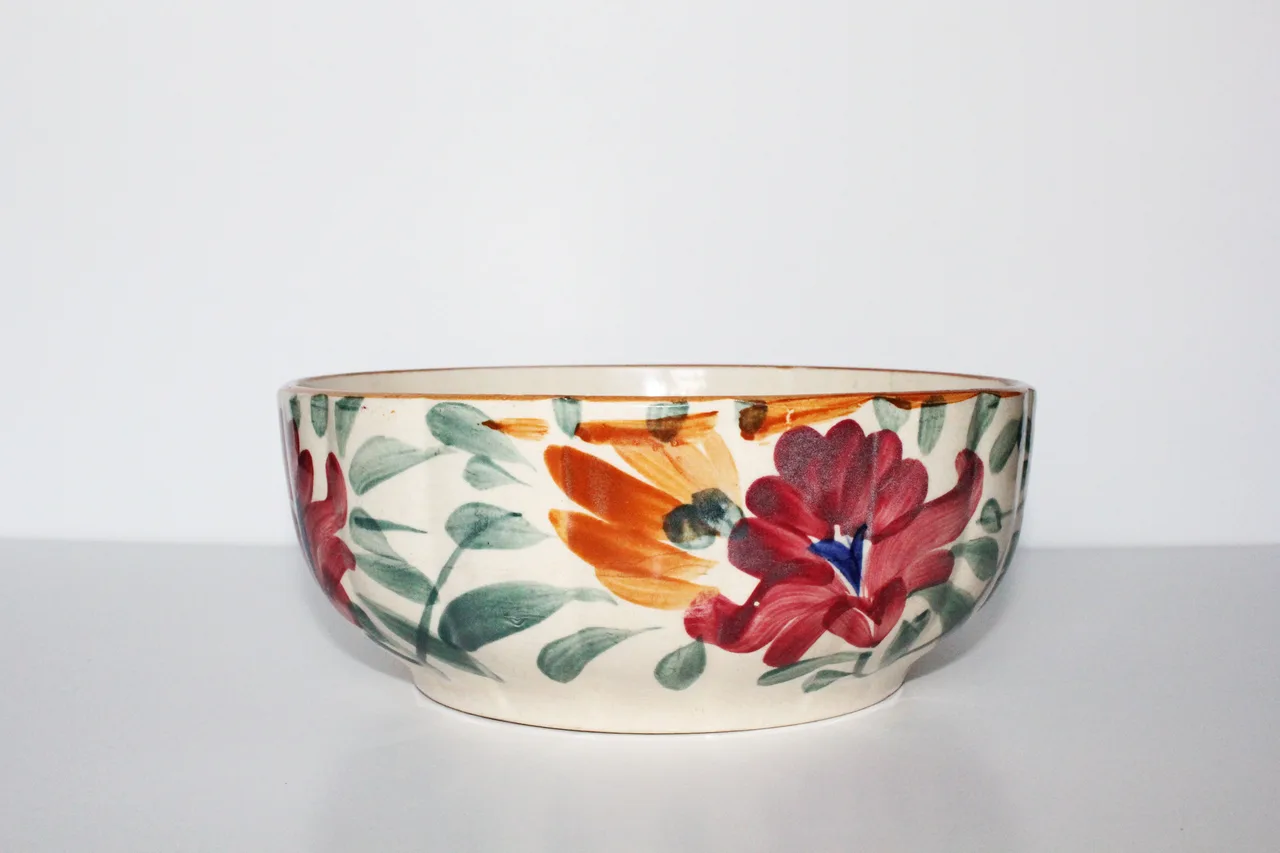
The dishes belonged to a household before they belonged to a museum story. Found during work on a Whonnock farm, they led staff back to the Shigemi family, forced to leave in 1942. Relatives were traced in Alberta. Takaaki Shigemi returned at 92 to see the former home.
Some dishes went back to the family; selected pieces entered the museum collection. The small domestic objects give a particular shape to a much larger loss. They connect a property with people whose life there was interrupted, rather than letting an address stand in for everything that happened.
Source: Traces of Home map and archive
Source: Maple Ridge Museum Japanese Canadian collection
Putting names back into the neighbourhood
Traces of Home makes those connections visible across Maple Ridge. The museum’s archive maps Japanese Canadian owners and tenant households before the forced dispersal of 1942, focusing on properties between 1940 and 1942 while some family records reach into the early 1900s.
The museum says it began addressing a gap in its Japanese Canadian collection in 2020. City and Japanese Canadian Legacies Society support helped develop the project. A descendant far away can now follow material connected to a family home; a current neighbour can discover a history that a familiar street gives little sign of carrying.
The map is not a sightseeing list of private houses. Its value is in opening the family profile and following the documents. A pin becomes meaningful through the people and records behind it.
Source: Traces of Home map and archive
Source: About Traces of Home
Some absences cannot be filled neatly
The archive draws on directories, land records, Haney Nokai history and earlier mapping, and acknowledges gaps and possible errors. Before 1972, an address might follow the post office serving the household, without the boundaries a modern reader expects. A family memory and a directory entry can therefore appear to disagree without either being careless.
Evidence-backed corrections can improve the archive. Original documents may also contain racist or harmful language; adults introducing the material to children should read ahead and explain it. Preserving a record does not require treating its wording as acceptable.
The Shigemi dishes show what can emerge when an object receives that care. They did not remain anonymous finds from somebody else’s property. They became a route back to a family, a return visit and a story Maple Ridge can now place among its own.
Source: Traces of Home research scope and limits
Source: Traces of Home map and archive
Source: Maple Ridge Museum Japanese Canadian collection
Source: Maple Ridge niche history discussion, September 2026
Questions people ask
What does Traces of Home map?
Japanese Canadian owners and tenant households in Maple Ridge before 1942.
Source: Traces of Home map and archive
Which years does Traces of Home focus on?
The property mapping focuses on 1940 to 1942, although some family records reach back into the early 1900s.
Source: Traces of Home research scope and limits
How far back do Traces of Home family records reach?
Some family records reach into the early 1900s, beyond the map’s main 1940–1942 property focus.
Source: Traces of Home research scope and limits
Who developed Traces of Home?
Maple Ridge Museum & Community Archives developed the project with support from the city and Japanese Canadian Legacies Society.
Source: About Traces of Home
Why might a family be missing?
The researchers acknowledge gaps in surviving or accessible records.
Source: Traces of Home research scope and limits
Can I submit a correction?
Use the project contact route and provide supporting sources.
Source: Traces of Home research scope and limits
Why might an old neighbourhood name differ?
Addresses could follow a serving post office rather than today’s boundaries.
Source: Traces of Home research scope and limits
Does the map allow visits to private homes?
No. It is an archive of historical properties and families.
Source: Traces of Home map and archive
What is the Shigemi dishes story?
Buried household dishes helped the museum reconnect with a displaced family.
Source: Maple Ridge Museum Japanese Canadian collection
Should parents review the records first?
Yes. The project warns of harmful language in original archival material.
Source: Traces of Home map and archive
Something changed? Tell us about a correction.